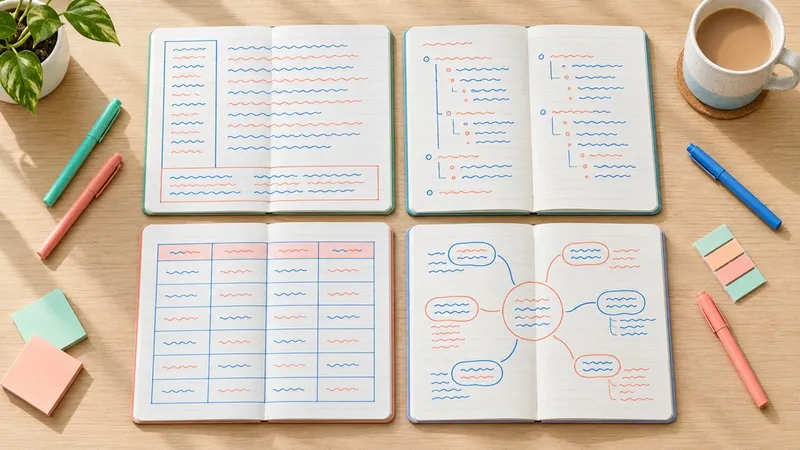
Note Taking Template: 7 Layouts and When to Use Each
Seven note taking template layouts with filled examples: Cornell, outline, two-column, chart, map, reading notes and meeting notes, and when each one fits.
Seven note taking template layouts with filled examples: Cornell, outline, two-column, chart, map, reading notes and meeting notes, and when each one fits.

Multitasking is mostly rapid task switching, and every switch costs time and accuracy. Six myths the research disproves, and what to do instead.

Tired of Read AI joining calls uninvited? Compare seven Read AI alternatives, from bot-free note takers to meeting bots you fully control.

Active listening means hearing someone so they feel understood. Learn the definition, the core skills, real examples, and what the research shows.

An AI detector estimates, it does not prove. How AI detectors work, what studies show about their accuracy, and what to do if your writing gets flagged.

Meeting transcription on Zoom, Teams, and Google Meet: where each setting lives, who can start it, where the file lands, and how to cover in-person meetings.

How to improve memory with 9 research-backed habits: sleep, self-testing, spaced review, single-tasking, exercise and less stress, plus what to stop doing.

Brain fog makes thinking slow and fuzzy. Learn what causes it, from sleep loss to stress, and the research-backed fixes that help you clear it.

Moving on from TurboScribe? Compare 7 transcription apps on free limits, languages, speaker labels and what you can do with the transcript.

A brain dump moves every task and worry out of your head and onto the page. Learn what it is, why it works, and how to sort the result into a plan.
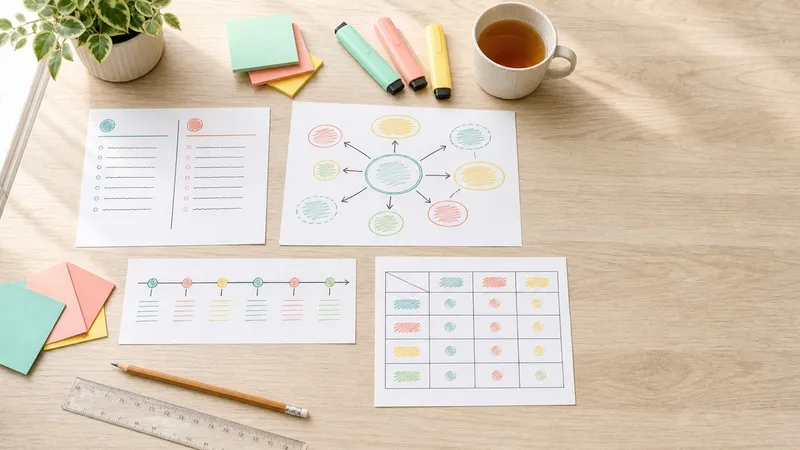
Six study guide template formats with filled examples: outline, Q&A, concept map, comparison chart, timeline and formula sheet, matched to your subject.

How to summarize an article, lecture, or chapter in 7 steps, with length rules, a worked example, and the research on summaries that help you learn.