
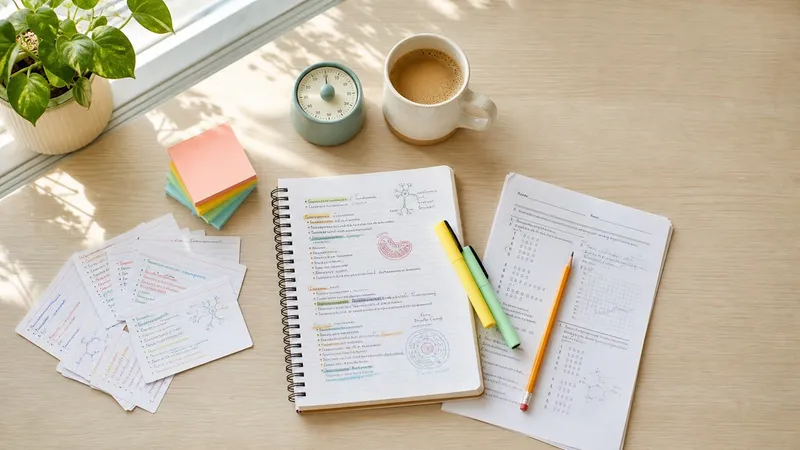
How to Study for Finals: 9 Research-Backed Strategies
How to study for finals effectively: 9 research-backed strategies, from a smart study schedule to practice tests and sleep, so you remember more on exam day.
How to study for finals effectively: 9 research-backed strategies, from a smart study schedule to practice tests and sleep, so you remember more on exam day.

How to stop procrastinating, based on the research: why you put things off, what it costs, and fixes matched to each root cause.
A YouTube transcript turns captions into searchable text. Learn how it works, how to open one, where it fails, and how to study from it.

The forgetting curve shows how fast new memories fade. See what Ebbinghaus measured, what a modern replication found, and what slows forgetting.

Plaud Note alternatives compared: AI recorders and phone apps, judged on capture, transcription limits, and what you get after recording.

Active recall beats rereading in memory research. Seven retrieval techniques you can use this week, plus the mistakes that quietly cancel the benefit.
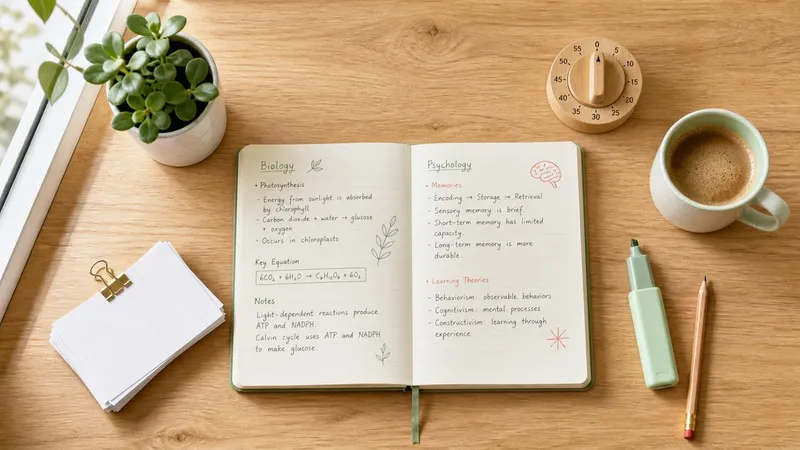
No single study app does it all. The best study apps for students by job: notes, flashcards, focus and planning, and what each free tier includes.
A meeting minutes template that covers attendance, motions, decisions and action items, with formal and simple formats and what to leave out.

Action items decide whether a meeting produces work or just talk. A six-stage workflow that carries each one from spoken commitment to done.

Body doubling explained: what it is, why working beside someone helps focus and ADHD, what research shows, and how to try it this week.
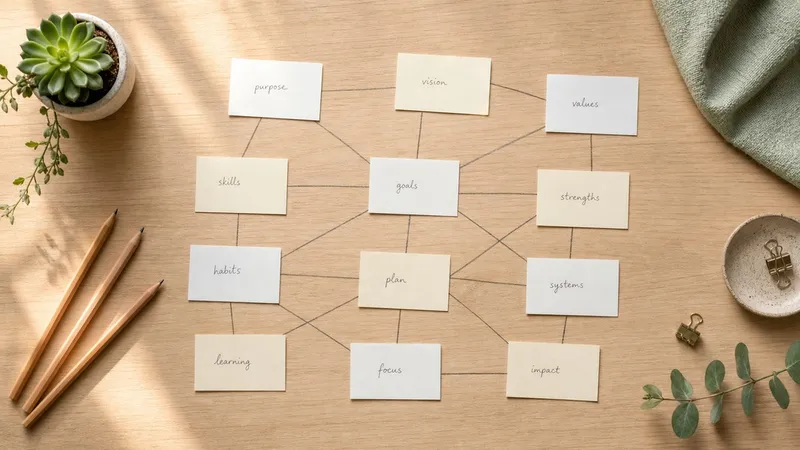
Learn how the Zettelkasten method works, why linked notes beat linear notebooks, and how to build your own knowledge system from scratch.
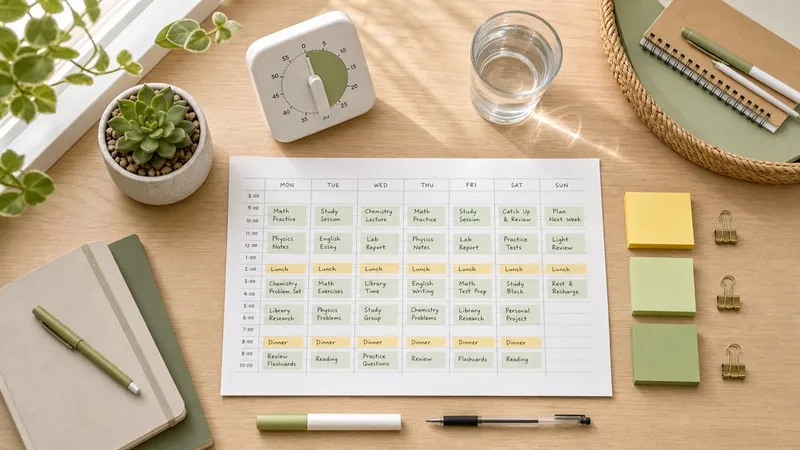
Struggling to manage your time as a student? These 7 evidence-backed tactics fix the real reasons students fall behind and waste hours.