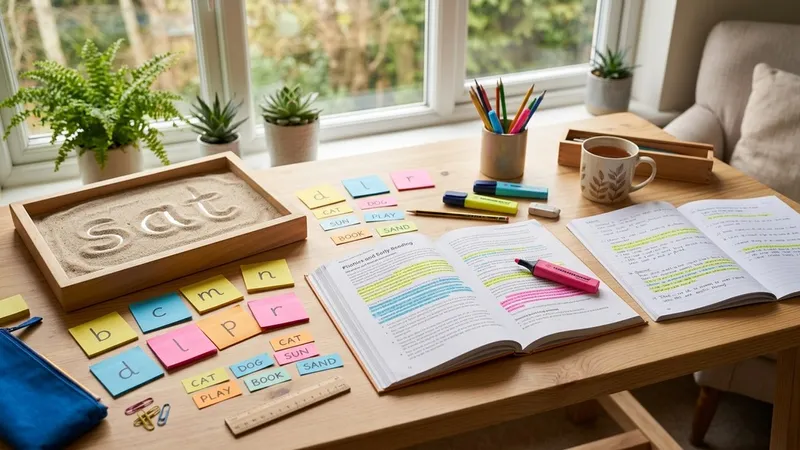
Multisensory Learning for Dyslexia: Techniques That Work
Multisensory learning engages sight, sound, and movement together to help dyslexic students read and retain more. Here are the techniques and why they work.
Multisensory learning engages sight, sound, and movement together to help dyslexic students read and retain more. Here are the techniques and why they work.
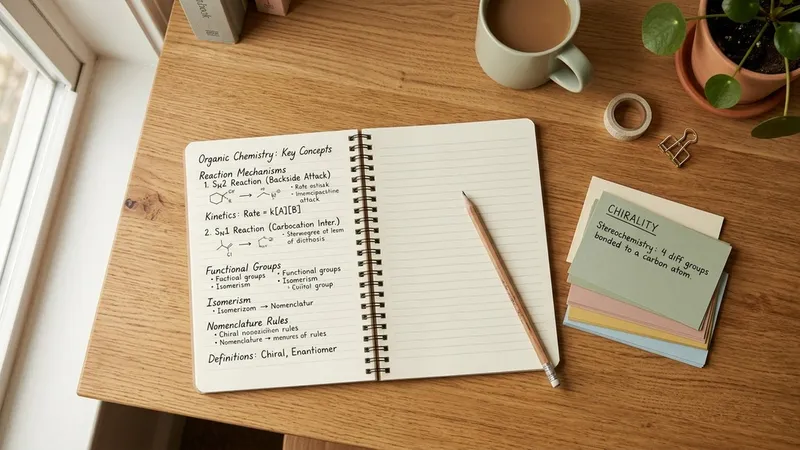
The 7 best dyslexia-friendly fonts for students, backed by research. Learn which fonts help, why they work, and how to apply them to your study notes.
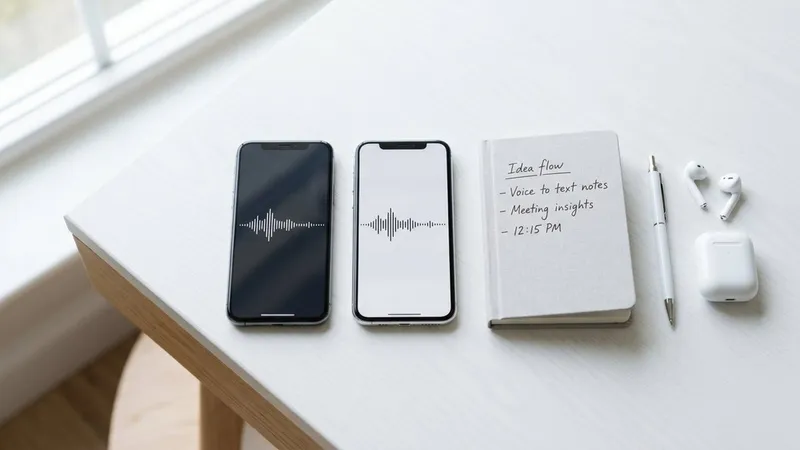
Compare Otter.ai and Fathom head-to-head on transcription accuracy, meeting integrations, and AI features to find the best AI note taker for your needs.

The best note-taking apps for iPad ranked and compared. Top picks for handwriting, AI note taking, free options, and student use cases in 2026.

The best Notion alternatives for students and professionals: simpler, faster, or AI note tools that actually replace what Notion does.
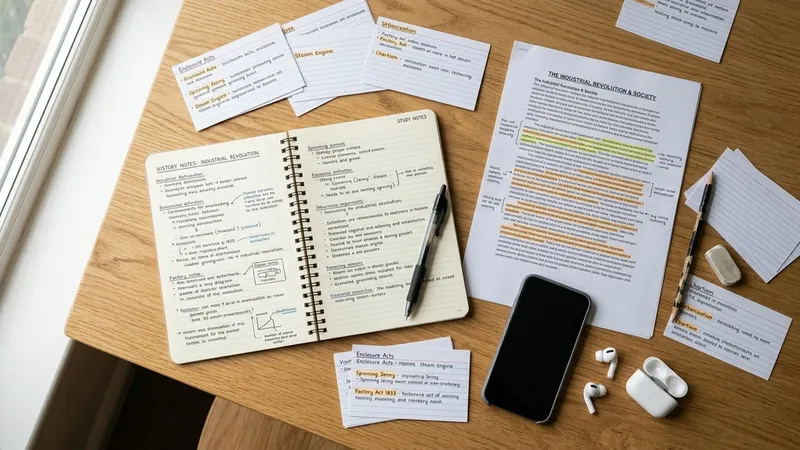
Turn voice recordings, PDFs, YouTube videos, and notes into quizzes with AI. Learn which AI quiz generators support multi-modal input and how they compare.

Learn how to turn any YouTube video into organized study notes with AI. A step-by-step guide for students and self-directed learners.

Active recall is the most effective study method backed by cognitive science. Learn what it is, why it works, and how to retain more of what you study.

Download free Cornell notes templates for Google Docs, Word, and PDF. Learn how to fill them in correctly and take Cornell notes digitally with AI.
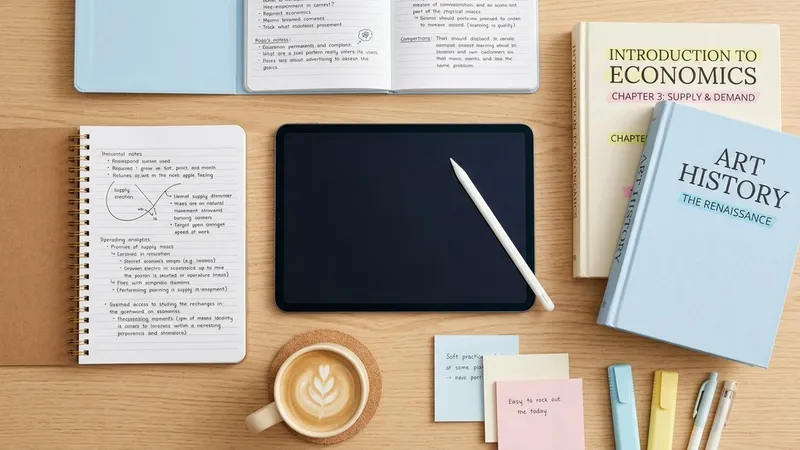
Compare GoodNotes vs Notability for students: features, pricing, handwriting quality, and which iPad note-taking app fits your study style.
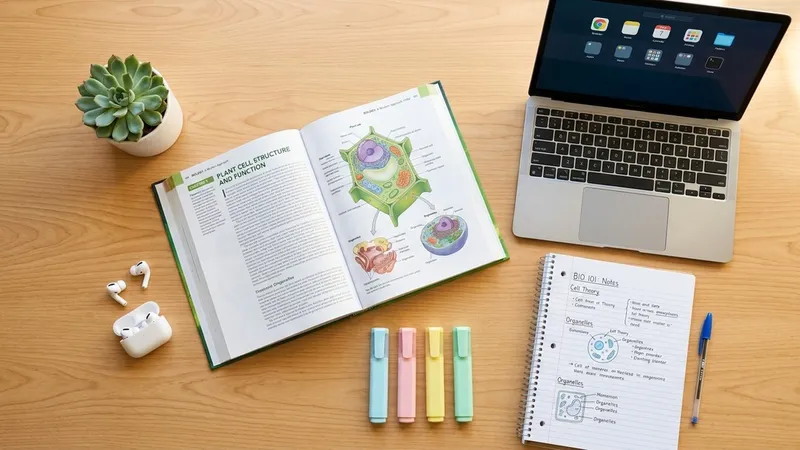
Discover the best AI study tools for students. Compare 7 top apps by study modes, accessibility, and multi-modal input to find the right fit for how you learn.
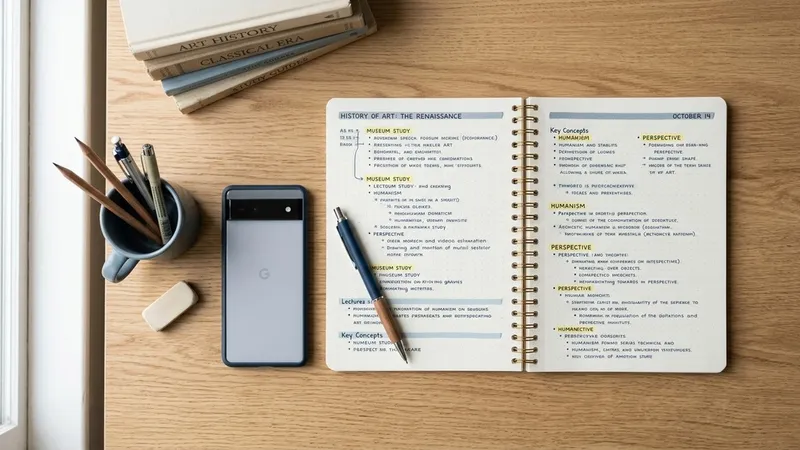
Now owned by Quizlet, Coconote turns lectures, PDFs and YouTube links into flashcards on iPhone, Android and web. A Coconote app review of price and limits.